
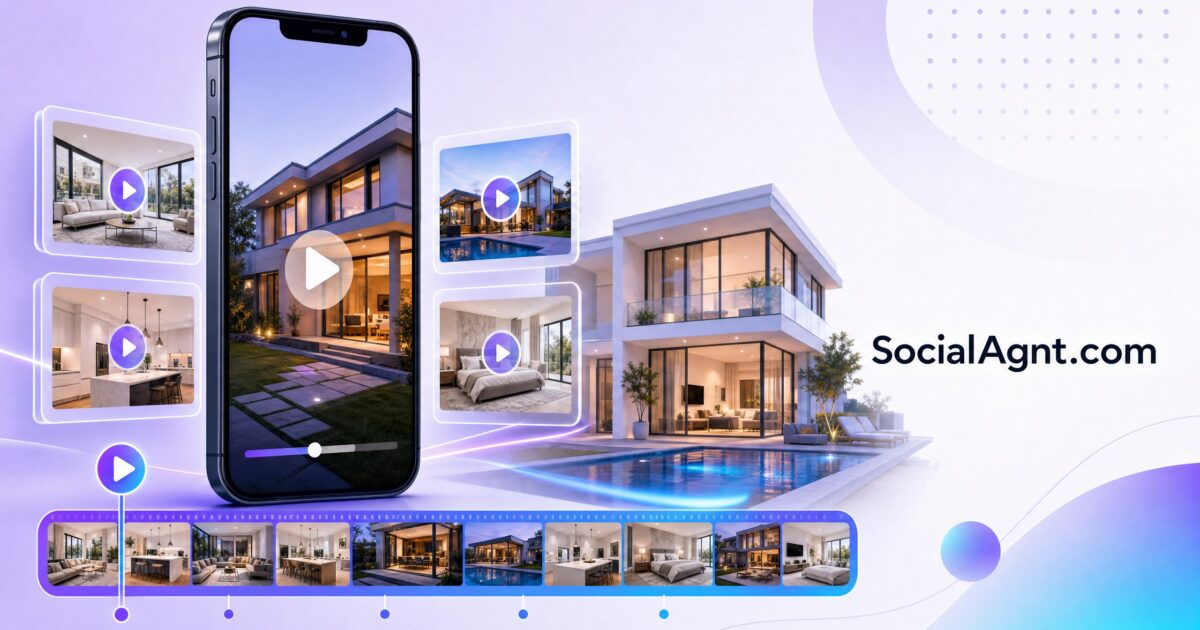
Key Takeaways: Listing videos are no longer a luxury add-on for high-end properties — they are a competitive necessity at every price point. The data is unambiguous: homes listed with video sell 31 to 32 percent faster than those without, receive 403 percent more inquiries, and generate 118 percent more engagement on social media. Properties with drone footage sell 68 percent faster on average, and buyers who watch a full listing video spend five to eight times longer on the listing page and are twice as likely to schedule a showing. Perhaps the most telling statistic for agents: 73 percent of homeowners say they would be more likely to list with an agent who offers video marketing as part of their service. Despite these numbers, the majority of residential listings still rely exclusively on photos, which means every listing video you create represents a significant competitive advantage over agents who have not adopted the format. You do not need professional videography equipment to start — a modern smartphone, natural lighting, and deliberate camera movement produce results that outperform no video at all. This guide covers the specific video types that sell properties faster, production techniques that make your videos look polished without a production budget, distribution strategies for maximum reach across social media platforms, and the storytelling approaches that help buyers emotionally connect with a property before they ever walk through the door.
The Business Case for Listing Videos in 2026
The shift from photo-only listings to video-enhanced listings is not a trend — it is a market expectation that is reshaping how properties are marketed and how agents compete for listings. Understanding the data behind this shift helps you make the case to sellers and justify the time investment in your own marketing.
Listings with video receive 403 percent more inquiries than those without. This is not a marginal improvement — it is a four-fold increase in the number of potential buyers who express interest in a property. More inquiries mean more showings, more showings mean more offers, and more offers mean a faster sale at a higher price. The 31 to 32 percent faster sale timeline that video-listed homes achieve translates directly into less time on market for your sellers and faster commission collection for your business.
The engagement improvement extends to the quality of buyer interactions, not just the quantity. Buyers who watch a full listing video arrive at showings with clearer expectations about the property’s layout, size, condition, and features. They have already filtered themselves — the ones who show up are genuinely interested, not casually browsing. This produces more productive showings and fewer unqualified leads, saving you time while improving conversion rates.
For your listing presentations, these statistics make a compelling argument. When you tell a potential seller that your marketing strategy includes professional listing videos and you can cite the data showing faster sales and more inquiries, you differentiate yourself from every agent who plans to take photos and list on the MLS. And when 73 percent of homeowners specifically say they prefer an agent who offers video marketing, that differentiation directly impacts your ability to win listings.
The 8 Listing Video Types That Sell Properties
Not all listing videos are created equal. Each format serves a different purpose in the marketing funnel, from generating initial awareness to converting interested buyers into showing requests.
1. The Guided Walkthrough Tour
The classic room-by-room walkthrough remains the most popular and versatile listing video format. You physically walk through the property, narrating as you go, pointing out features that photos cannot convey — the flow between rooms, the natural light at different times of day, the sound of the neighborhood, the feel of the space. The key to a great walkthrough is deliberate, steady movement. Every camera motion should be slow and smooth, giving viewers time to absorb the details of each room before transitioning to the next.
An effective walkthrough follows the natural path a buyer would take during an in-person showing: approach the front of the home, enter through the main door, move through the common areas, visit the kitchen, tour the bedrooms, and finish in the outdoor spaces. This logical flow helps viewers mentally map the property’s layout and understand how the spaces connect — something flat floor plans and individual room photos cannot achieve.
2. The Coming Soon Teaser
A 15 to 30 second teaser video published before the listing goes live builds anticipation and helps book showings ahead of the official market date. The teaser should show just enough to create curiosity without revealing everything — a dramatic opening shot of the exterior, a quick glimpse of the most impressive interior feature, and a title card with the “Coming Soon” date, neighborhood, and price range. Teaser videos are particularly effective on Instagram Reels and TikTok, where the short format aligns perfectly with how users consume content.
3. The Drone Aerial Video
Properties with drone footage sell 68 percent faster on average — the most dramatic improvement of any single video element. Aerial footage showcases the property’s lot size, yard layout, proximity to amenities, and the character of the surrounding neighborhood in ways that ground-level photography cannot match. For properties with large lots, scenic views, waterfront locations, or desirable surrounding areas, drone footage is not optional — it is the single most impactful visual marketing investment you can make.
Even for standard suburban homes, a brief aerial establishing shot at the beginning of your listing video creates a cinematic quality that sets the tone for the entire piece. The view from above provides context that ground-level footage lacks: the relationship between the home and its neighbors, the size of the backyard relative to the structure, and the feel of the street and neighborhood.
4. The Feature Highlight Video
Instead of showing the entire property, feature highlight videos focus on one compelling element — a chef’s kitchen with premium appliances, a primary suite with a spa-like bathroom, a finished basement with a home theater, or a backyard entertaining space. These short-form videos (15 to 30 seconds) are designed for maximum shareability on social media. They stop the scroll by leading with the most visually striking element of the property and create curiosity about the rest of the home.
Feature highlights work exceptionally well in a series — releasing one feature video per day over a week creates sustained interest in the listing and gives you multiple pieces of content from a single property. Each video ends with a prompt to see the full listing, driving traffic to your full walkthrough video or listing page.
5. The Lifestyle Narrative Video
This format goes beyond showing the physical property to tell the story of living in it. Instead of narrating room dimensions and recent upgrades, you narrate the lifestyle the property enables: “Imagine waking up on a Saturday morning, walking down to this kitchen, making coffee while the kids play in that backyard you can see through these windows. After breakfast, you are a five-minute walk from the farmers market on Main Street and a ten-minute bike ride to the lake trail.” Lifestyle narratives create emotional connections that feature-focused videos cannot, and emotional connections are what motivate purchase decisions.
6. The Before-and-After Transformation
If the property has been renovated, staged, or otherwise transformed before listing, documenting the change creates one of social media’s most engaging content formats. Film the “before” state in its unfinished condition, then reveal the completed transformation with a dramatic cut. These videos earn extremely high share rates because the transformation format is inherently satisfying to watch, and each share extends your listing’s reach to a new audience of potential buyers.
7. The Neighborhood Context Video
A neighborhood video extends the listing’s value proposition beyond the property itself. Walk or drive through the surrounding area, pointing out nearby schools, parks, restaurants, shops, and community features. For buyers relocating from outside the area, a neighborhood video answers questions they cannot resolve from listing photos alone: what does the street feel like? What is nearby? What is the community character? These videos position you as a local expert and provide value that helps buyers make more confident decisions.
8. The Virtual Open House
A live video tour conducted on Instagram, Facebook, or TikTok combines the thoroughness of a walkthrough with the interactivity of a live event. Viewers can ask questions in real time, request closer looks at specific features, and engage in a way that pre-recorded video cannot replicate. Virtual open houses are particularly valuable for reaching out-of-town buyers and for generating engagement that algorithms reward with broader distribution. Record the live session and repurpose it as an evergreen video tour that continues working for the listing after the live event ends.
A great listing video needs great promotional content to drive views. SocialAgnt generates the social media captions, teaser copy, hashtag strategies, and promotional post sequences that maximize your listing video’s reach across every platform — so the video you invested time creating gets seen by the buyers who need to see it.
Production Techniques That Make Your Videos Look Professional
You do not need a professional videography team to create effective listing videos. A smartphone and these production techniques will produce results that significantly outperform no video at all.
Camera Movement
The single most important production element is stable, deliberate camera movement. Jerky, fast, or erratic movement makes videos feel unprofessional and can actually make viewers uncomfortable. Hold your phone with both hands, tuck your elbows close to your body for stability, and move slowly. Walk at half your normal pace. Pan across rooms at a speed that lets viewers absorb what they are seeing. When transitioning between rooms, move through doorways smoothly rather than cutting abruptly. A $20 phone gimbal eliminates shaky footage entirely if you want an affordable equipment upgrade.
Lighting
Natural light is your best friend and your biggest variable. Schedule your video shoots during optimal daylight hours — typically mid-morning or mid-afternoon when sunlight is bright but not harsh. Open all blinds and curtains. Turn on interior lights to eliminate shadowy corners and create a warm, inviting atmosphere. Avoid shooting with bright windows directly behind your subject, which creates silhouettes and underexposure. If a room has limited natural light, position yourself so you are shooting toward the light source rather than away from it.
Staging Before Filming
Empty rooms look stark and unwelcoming on video. If the property is vacant, even minimal staging — a few pieces of furniture, some accessories, fresh flowers — helps viewers envision living in the space. If the property is occupied, spend 15 minutes before filming decluttering surfaces, straightening furniture, and removing personal items that distract from the property’s features. The camera amplifies clutter — a slightly messy room that looks acceptable in person can look chaotic on video.
Audio Considerations
Eighty-five percent of social media videos are watched without sound, which means captions and text overlays are essential. But for the 15 percent who do watch with sound — and for the full-length versions on YouTube — your audio quality matters. Speak clearly, naturally, and with energy. Avoid filming during noisy times (lawn mowers, traffic, construction). If you are narrating, speak as if you are showing the home to a friend — conversational, enthusiastic about the features, and informative without being scripted.
Text Overlays and Captions
Add text overlays that highlight key features viewers might miss: “New Quartz Countertops 2024,” “Primary Suite — 400 sq ft,” “10-Minute Walk to Downtown.” These overlays serve viewers watching without sound and reinforce important selling points for all viewers. Keep overlay text brief, position it where it does not obscure the view, and use a consistent font and style that matches your brand.
Distribution Strategy: Getting Your Videos Seen
Creating a great listing video is half the battle. Getting it in front of the right audience requires a platform-specific distribution strategy.
Instagram Reels and TikTok
Short-form vertical video is the primary discovery format in 2026. Create 15 to 60 second highlight versions of your listing videos specifically for Reels and TikTok. Lead with the most visually stunning shot, use trending audio when appropriate, add text overlays with key property details, and include relevant hashtags and location tags. These platforms reward content that generates engagement quickly, so front-load the most impressive elements to prevent viewers from scrolling past.
YouTube
YouTube is the platform for your full-length listing tours. Upload the complete walkthrough with a keyword-rich title (include the neighborhood name, city, and key features), a detailed description with property specifications and your contact information, and relevant tags. YouTube videos have long shelf lives — a listing video can continue generating views and inquiries weeks or months after upload, and YouTube’s search functionality means buyers actively searching for homes in your area can discover your content.
Facebook favors native video uploads over shared links, so upload your video directly to Facebook rather than sharing a YouTube link. Square format videos take up 78 percent more screen space in the mobile feed than landscape videos, making them more attention-grabbing. Since 85 percent of Facebook video is watched without sound, captions are non-negotiable. Include a direct link to the listing in your caption along with key details that let interested buyers take action immediately.
Your Listing Page and MLS
Embed your video on your property listing page and include the YouTube or Vimeo link in your MLS remarks where supported. Buyers who encounter the video on the listing page spend five to eight times longer on the page compared to photo-only listings — more time on page means more emotional investment in the property and a higher likelihood of requesting a showing.
Storytelling Techniques That Create Emotional Connections
The difference between a listing video that informs and one that sells is storytelling. Facts describe a house. Stories sell a home.
Lead With the Lifestyle
Instead of opening with “This is a four-bedroom, three-bathroom home,” open with the experience: “Picture this: it is Friday evening, you have just pulled into your garage after a short commute on tree-lined streets, and within minutes you are on your back patio, grilling, while the kids chase each other around that massive backyard.” Lifestyle-first narration helps buyers project themselves into the property, creating the emotional connection that drives purchase decisions.
Highlight the Story of the Space
Every property has a story beyond its specifications. The kitchen that was completely renovated last year with imported tile and commercial-grade appliances has a story of attention to detail. The backyard with a mature oak tree and a built-in firepit has a story of gatherings and memories. The location three blocks from the best elementary school in the district has a story of opportunity for growing families. Find these stories and weave them into your narration — they are what buyers remember long after they have forgotten the square footage.
Create a Narrative Arc
Structure your video like a story with a beginning, middle, and end. The beginning establishes the setting — the neighborhood, the street, the exterior approach. The middle explores the home room by room, building interest with each space revealed. The end delivers the most impressive feature or view as a climax, followed by a clear call to action. This narrative structure keeps viewers engaged through the full video because they sense progression and anticipate what comes next.
Listing videos are one piece of a comprehensive property marketing plan. SocialAgnt helps real estate agents build the full social media content strategy around each listing — from teaser posts and countdown content to open house promotions and just-sold celebrations. AI-generated content keeps your listing visible across every platform throughout its time on market, complementing your video marketing with the consistent social media presence that maximizes buyer exposure.
Getting Started: Your First Listing Video
If you have never created a listing video, start simple. Your first video does not need drone footage, professional editing, or cinematic production value. It needs three things: a clean, well-lit property, stable camera movement through the key rooms, and your authentic narration pointing out what makes this home worth seeing in person.
Film a walkthrough with your smartphone. Keep it under two minutes. Add captions in your phone’s editing app or in Canva. Post it on Instagram and Facebook. Track the engagement compared to your photo-only listings. Almost universally, agents who create their first listing video see an immediate improvement in engagement, inquiries, and the speed at which they attract showing requests.
From there, refine your technique with each subsequent listing. Add drone footage when the property warrants it. Experiment with short-form highlight reels. Develop your narration style. Build a template for your text overlays and branding. Within five to ten listing videos, you will have a production workflow that feels natural, a recognizable video style, and a library of content that demonstrates your marketing capability to every future seller you meet. The agents who start now will have an established video portfolio while their competitors are still debating whether listing videos are worth the effort. The data already answered that question.
Ready to save 5+ hours per week on social media?
SocialAgnt helps real estate agents schedule posts, create AI content, and grow their brand across 7 platforms. Try it free for 14 days.
